Riverside Neighborhoods
Four names locals actually use, what the housing looks like in each, and the block by block questions worth asking before you buy.
Nobody in Riverside says they live in a subdivision. They say the Avenues, or Spring Garden, or out by the East End. The whole town is 1.6 square miles, so these are distinctions of a few blocks, not of school districts or ZIP codes.
The four areas below are the names the township itself uses when it routes leaf collection and branch pickup through town. The character notes are general on purpose. Nothing replaces walking the block at 6 pm on a Tuesday and looking at the sidewalks, the parking and the neighbors' gutters.
Spring Garden
This is where the town began, back when it was called Progress and the draw was the river and the railroad rather than a factory payroll. Spring Garden Park sits in the middle of it, and the blocks around the park are the oldest residential fabric in Riverside.
Expect older houses on short blocks, a mix of single family and attached, with sidewalks that go somewhere. It is a short walk to downtown and an easy one to the train. It is also the part of town most likely to have the quirks that come with houses built before the Second World War: knob and tube remnants, settled porches, basements that have seen a flood or two.
If you like old houses and want to walk to coffee, start here. If you want a driveway wide enough for two cars, look east.
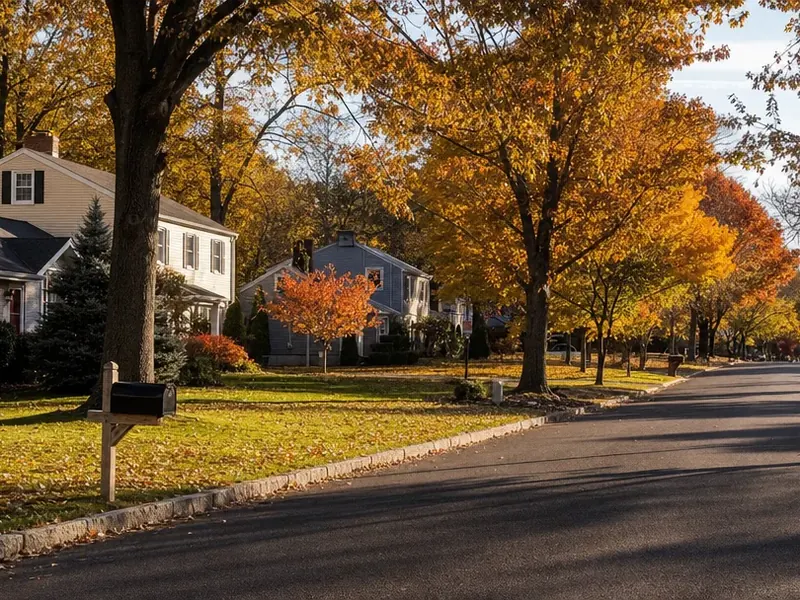
The Avenues
The Upper and Lower Avenues are the blocks closest to Pavilion Avenue and the River LINE station, and they carry the town's densest housing. Rowhomes and twins dominate, many of them built while the watch case factory was hiring, which is why they sit on narrow lots with small rear yards and shared walls.
What you trade in square footage you get back in walkability. The bakery, the taverns, the train and the library are all within a few minutes on foot from most of these blocks. Street parking is the norm, and it is worth checking at different times of day rather than assuming.
These houses move quickly when they are priced right, and condition varies enormously from one block to the next. Two houses on the same street can be twenty years apart in updates.
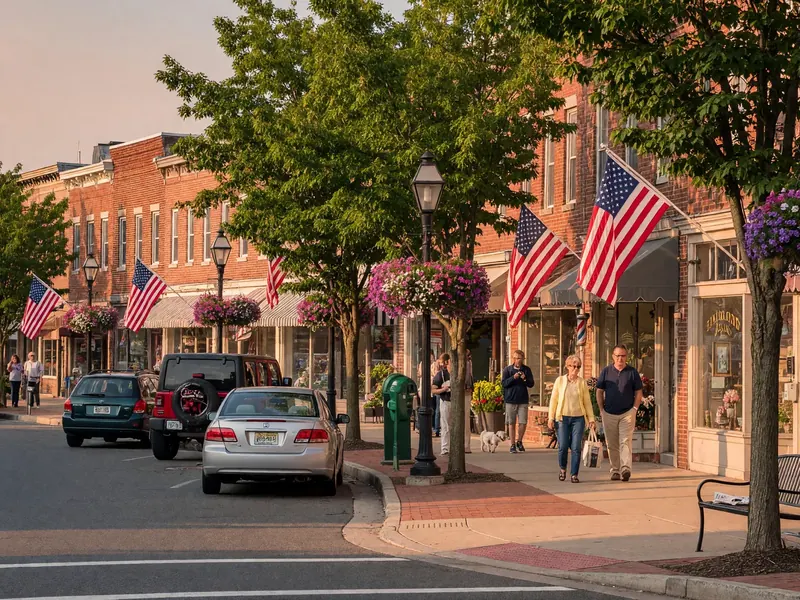
Reeder Tract
The Reeder Tract sits on the west side of town, toward the Rancocas Creek, and it feels quieter than the blocks around downtown. More detached houses, more small yards, fewer people walking past your front window.
Housing here runs to bungalows, twins and small colonials. The streets are narrow in places and there are blocks without continuous sidewalk, so if walking is part of your plan, walk the specific route rather than the general area.
The upside is proximity to the greenway trail and the creek, plus a short drive to Route 130 when you need it. The trade is that downtown is a longer walk than it is from the Avenues.
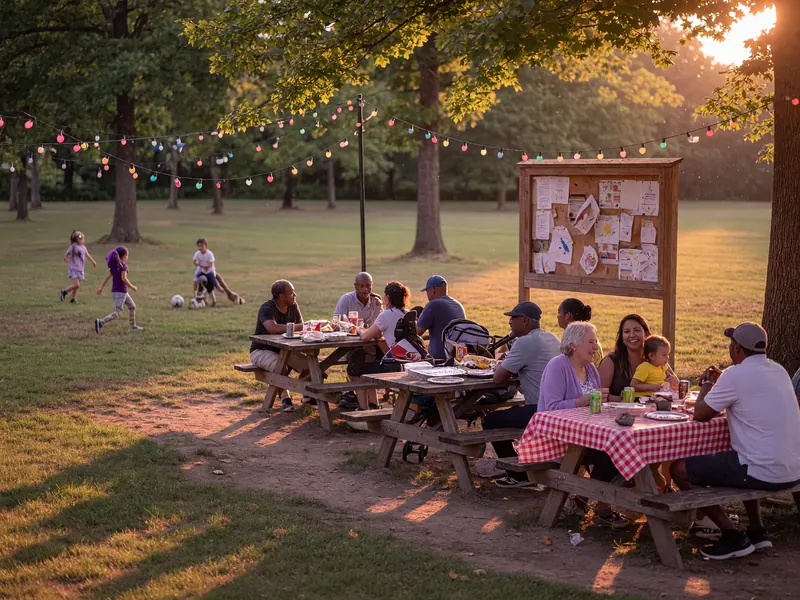
East End
The East End runs toward Delran and Route 130, and it is where the lots get a little wider and the houses get a little more varied. Colonials, bungalows and the occasional newer renovation sit side by side.
This is the part of town where a second car, a driveway and a shed are normal rather than a luxury. It is also the most convenient corner for errands: the Route 130 retail corridor starts at the edge of the neighborhood, and the drive to Cinnaminson, Moorestown or Burlington is short.
What you give up is the walk to the train. It is a drive or a longer walk from most of these blocks to the Riverside station.
Three things that vary block by block
Water. Riverside sits between two waterways and the mapped flood zones do not follow the neighborhood names. Check the FEMA map for the exact address and ask whether an elevation certificate exists.
Parking. Some blocks have driveways. Some do not. On the Avenues, parking is a street by street reality, so look at it in the evening, not at noon on a Sunday.
Condition. The housing stock is old enough that maintenance history matters more than the year printed on the listing. Ask for the roof, the heater, the electrical panel and the sewer lateral.